Storing Chocolate Products & Avoiding Bloom
The allure of beautifully crafted chocolates—shiny, flavorful, and perfectly textured—can quickly fade if stored improperly, with fat bloom and sugar bloom being frequent culprits that mar their appearance and mouthfeel. At Chef Ceber, we’re committed to helping you preserve the quality of your chocolates through expert storage techniques and proven bloom prevention strategies, ensuring your creations maintain their brilliance and taste for as long as possible.
How to Store Chocolate Products
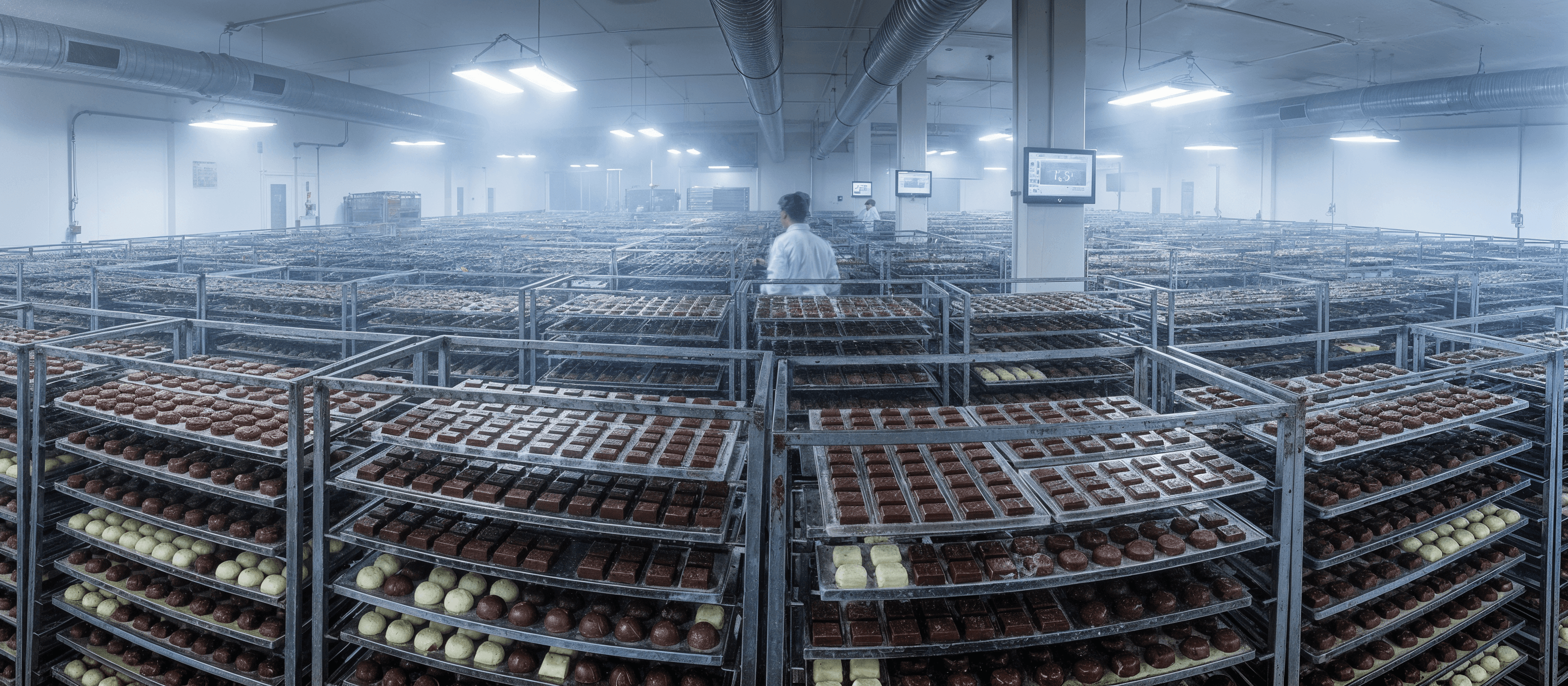
To keep your chocolates tasting vibrant, looking glossy, and retaining their vivid colors, proper storage is paramount. Store chocolates in a cool, dry environment at a consistent temperature of 60–70°F (15–21°C), ideally in a pantry or cupboard shielded from direct sunlight, heat sources like stoves, and strong odors, as chocolate readily absorbs surrounding smells, which can alter its flavor. Use airtight containers or tightly sealed packaging to protect against humidity and moisture, both of which can degrade quality. Refrigeration should be a last resort, as it often leads to condensation that triggers sugar bloom—if refrigeration is necessary, wrap chocolates securely in plastic wrap and place them in an airtight container, then allow them to gradually acclimate to room temperature before unwrapping to avoid moisture buildup. For long-term storage, unopened dark chocolate can maintain its quality for up to 2 years, while milk and white chocolate last up to 1 year. Once opened, consume within a few weeks to enjoy the best flavor, texture, and appearance.
How to Prevent Fat Bloom
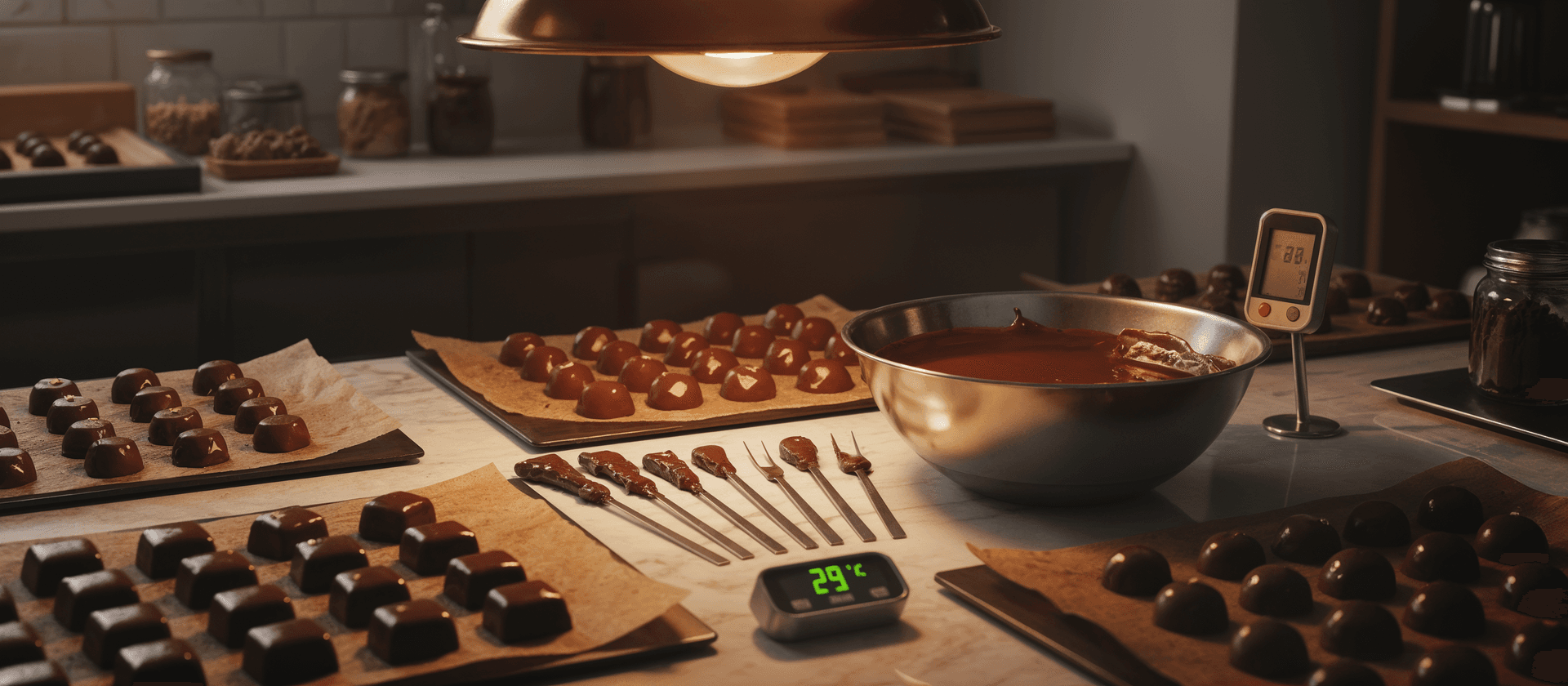
Fat bloom is characterized by a whitish, streaky film that forms on the surface of chocolate, caused by cocoa butter migrating to the surface due to temperature fluctuations or improper tempering during production. To prevent fat bloom, store chocolates at a stable temperature of 18–20°C (64–68°F) with humidity below 50%, avoiding sudden temperature shifts that disrupt the cocoa butter’s structure. When crafting filled chocolates like pralines, use properly tempered chocolate supplemented with 5–6% additional cocoa butter to enhance structural stability and minimize migration risks. For nut-based fillings, incorporate milk fat or butter oil to further inhibit cocoa butter movement, ensuring a consistent texture. Package chocolates in airtight containers to protect against environmental fluctuations, and cool them gradually after production—avoid placing freshly made chocolates directly in the refrigerator, as rapid cooling can exacerbate fat bloom formation.
How to Prevent Sugar Bloom
Sugar bloom appears as a rough, grainy white coating on chocolate, resulting from moisture dissolving sugars on the surface, which then recrystallize as the moisture evaporates, leaving a gritty texture. To prevent sugar bloom, store chocolates in a low-humidity environment (below 50%) at 15–20°C, and consider using desiccants like silica gel packets in packaging for added moisture protection. Avoid refrigeration or freezing whenever possible, as these conditions promote condensation during thawing, which triggers sugar bloom—if cold storage is unavoidable, wrap chocolates tightly in plastic wrap and place them in airtight containers, then allow them to thaw slowly at room temperature to minimize moisture exposure. Keep chocolates away from humid areas, such as kitchens or pantries near water sources, to maintain their integrity. Proper tempering during production is also essential, as chocolate with stable crystal structures is more resistant to moisture absorption, reducing the likelihood of sugar bloom.
Tips for Storing Chocolate and Avoiding Bloom
- Maintain consistent storage temperatures, steering clear of locations like garages or windowsills where temperature fluctuations can trigger fat bloom.
- Use opaque, airtight packaging to block light exposure and prevent odor absorption, preserving the chocolate’s original flavor and visual appeal.
- For filled chocolates, ensure fat-based fillings are pre-crystallized to align with the temper of the chocolate shell, enhancing stability and minimizing bloom risks.
- Monitor storage humidity with a hygrometer, aiming for 40–50% relative humidity to create an optimal environment for chocolate preservation.
- If bloom occurs, rest assured the chocolate is still safe to eat, though its appearance and texture may be affected—remelt and re-temper bloomed chocolate for use in recipes like ganache or sauces.
Frequently Asked Questions
How long can I store chocolate without bloom?
In cool, dry conditions (15–21°C, below 50% humidity), dark chocolate can be stored for up to 2 years and milk or white chocolate for up to 1 year without bloom—periodically inspect for white spots to ensure quality.
Is bloomed chocolate safe to eat?
Yes, both fat and sugar bloom affect only the appearance and texture of chocolate, not its safety, so bloomed chocolate remains perfectly edible.
Can I fix bloomed chocolate?
Fat bloom can often be reversed by remelting and properly retempering the chocolate; sugar bloom is more challenging to fix and typically requires repurposing the chocolate in recipes like baking or sauces.
Why does refrigeration cause bloom?
Refrigeration can lead to condensation on the chocolate’s surface, causing sugar bloom as moisture dissolves and recrystallizes sugars—use refrigeration only if tightly wrapped and allow slow acclimation to room temperature.