Every few weeks we get a support call that goes something like this: "I tempered my Efes chocolate carefully, brought it down to 28°C, then up to 31°C, and it came out streaky and dull. What is wrong with this batch?"
Most of the time, nothing is wrong with the batch. The customer is using Efes compound chocolate as if it were Efes real chocolate. The two products look similar enough on a work surface that the mistake is easy to make. The fix is just understanding which one is in front of you.
The Efes line covers two different types of chocolate
Our Efes brand makes both compound chocolate and real chocolate. They share the same family name but they are built for very different jobs.
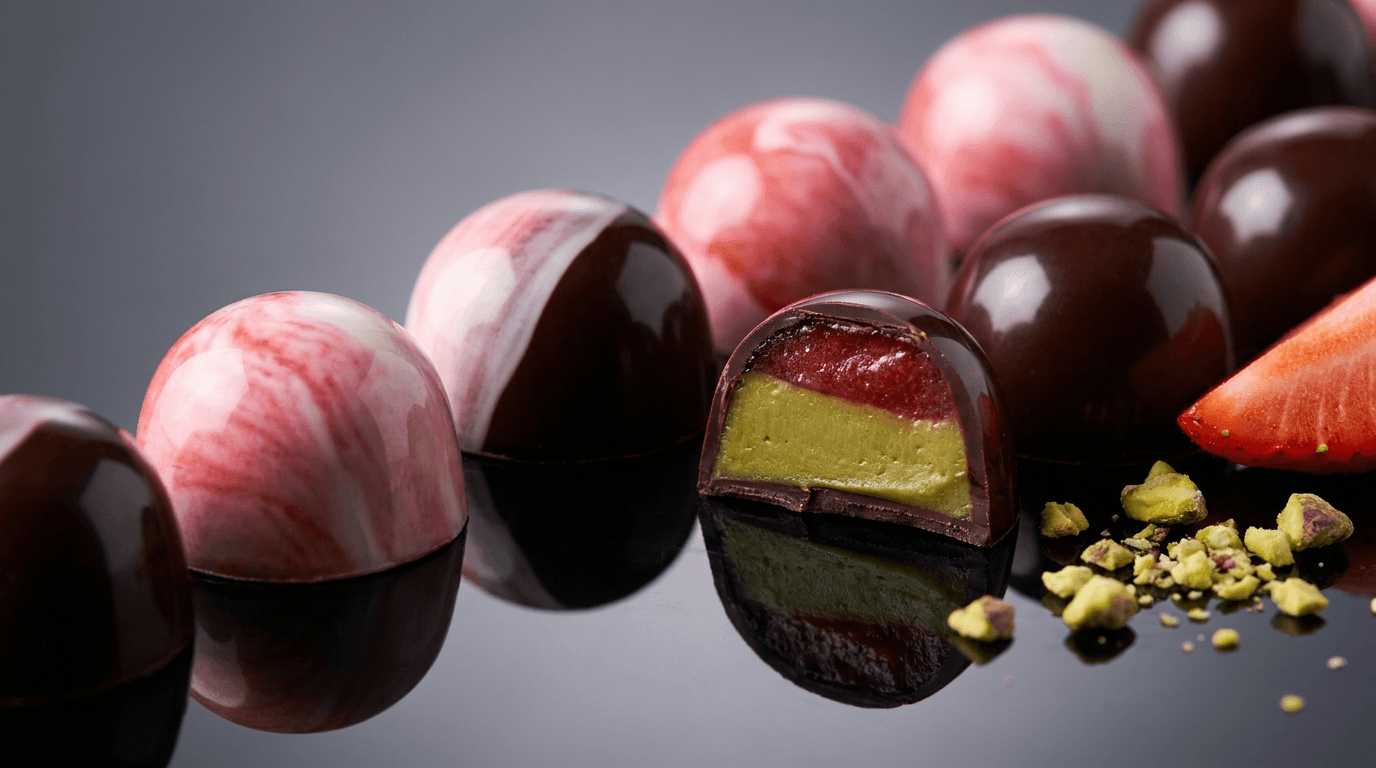
Efes real chocolate is true couverture, made with cocoa butter as the fat. It is what you use for premium bonbons, dipped fruit, fine pastry coatings, and anything where snap and shine matter. It needs proper tempering to set well, and in return it gives you that deep, complex flavor that only real cocoa butter delivers.
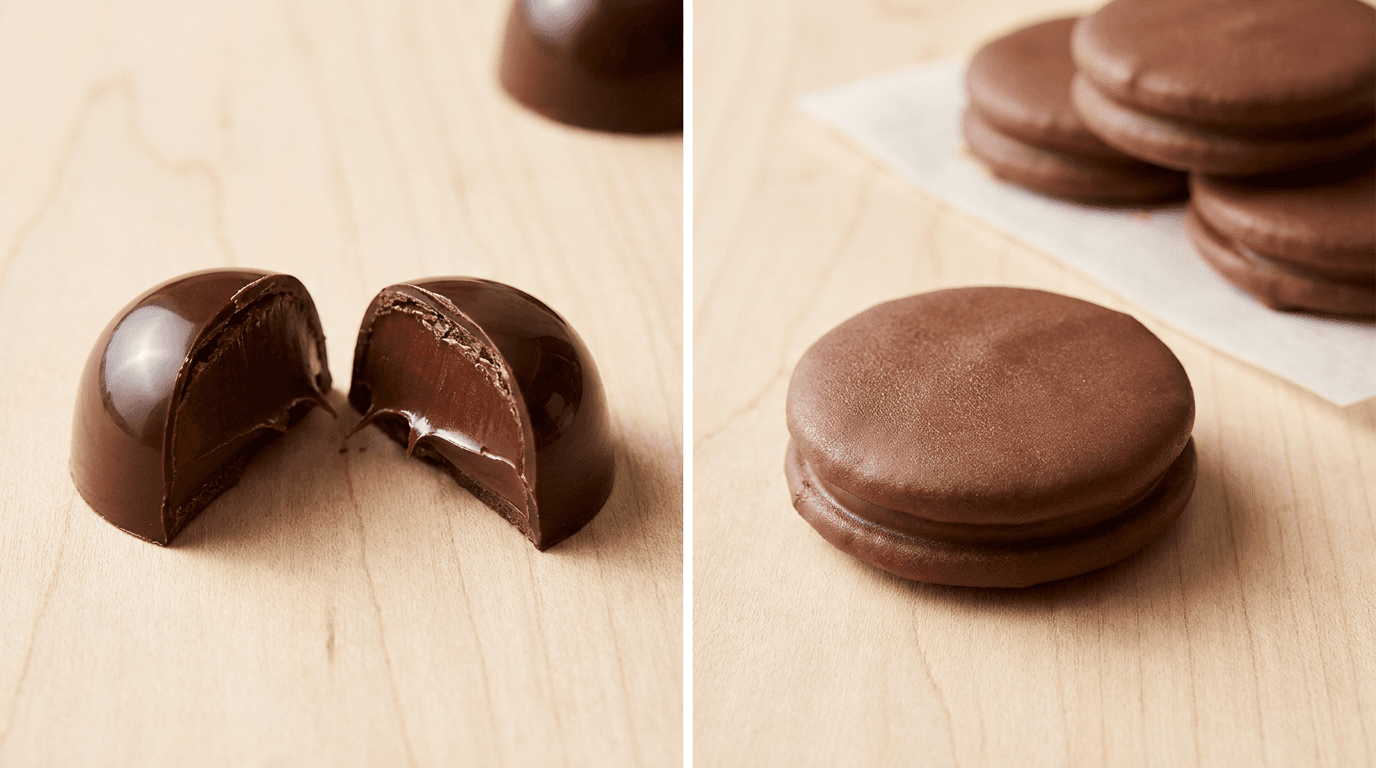
Efes compound chocolate uses vegetable fats instead of cocoa butter. It is designed for production speed and reliability. No tempering required. You melt it, you use it, it sets on its own. The flavor is sweeter and more direct, and the cost per kilo is significantly lower because vegetable fats are cheaper than cocoa butter.
Both are good products. They just serve different parts of your kitchen.
Why tempering compound chocolate creates problems
Cocoa butter has six different crystal structures, and only one of them gives you the shine and snap you want in a finished chocolate. Tempering is the process of encouraging that one good crystal to form. That is why real chocolate needs the temperature dance.
Vegetable fats do not behave that way. They set into one stable form on their own, with no help needed. When you try to temper them, you are introducing instability where there was none. The result is streaky surfaces, dull finishes, and slower setting times. The product was fine. The process was the problem.
How to identify which Efes product you have
Check the label on the bag or case. The real chocolate will be labeled as couverture and will list cocoa butter in the ingredients. The compound will list vegetable fats (often palm or coconut oil) and will not carry the couverture label.
If the label is missing or you have moved the product into another container, the melt test gives you the answer. Real couverture melts at a slightly lower temperature and stays fluid longer at working heat. Compound starts to thicken faster as it cools below 30°C.
When in doubt, check your invoice. The pricing tier between the two lines is very clear.
How to use each one properly
For Efes real chocolate, temper it the standard way. Dark down to 28 to 29°C and work at 31 to 32°C. Milk and white sit a degree or two lower. The seeding method works well for hand tempering. For larger runs, a tempering machine is worth the investment.
For Efes compound chocolate, just melt it. Use a bain-marie or a chocolate warmer and bring it to between 40 and 45°C, stirring until smooth. Do not exceed 45°C. Vegetable fats can scorch above that point, and burnt compound has an off taste that does not go away.
Microwave melting works for compound in a pinch, in short bursts of 20 seconds with a thorough stir between each one. For real chocolate, skip the microwave and use a proper double boiler.
Pick the right product for the right job
Use Efes real chocolate for:
Bonbons, pralines, and hand-dipped truffles
Premium display chocolates and showpieces
Dipped strawberries and other premium fruit work
Any product where snap, shine, and depth of flavor sell the item
Use Efes compound chocolate for:
Enrobing biscuits, wafers, and cookies in volume
Drizzles and decoration where setting speed matters
Filling tunnel-style molds and cake centers
Coating ice cream bars or frozen pastries
If you are making bonbons for a high-end retail display, the real chocolate is the right call. If you are coating two thousand cookies for a wholesale shipment, the compound saves you time, money, and a lot of failed batches. Same brand, different tools.
A common mistake to avoid
Do not mix Efes compound and Efes real in the same melt. The two fats do not blend well, and the result has the worst properties of both. Soft, dull, slow to set. Pick one product for any given recipe and stick with it.
If a staff member or customer keeps insisting on tempering the compound, save yourself the frustration and just melt it, use it, and let it set. The results will be cleaner, and the process takes half the time.
If you are ever unsure which Efes product you ordered, send us the batch code from the bag and we will confirm within an hour.