Few things are more frustrating than spending an hour on a batch of bonbons only to find them dull, smudgy, or covered in white streaks the next morning. If you work with couverture, you have probably been there.
The good news is that almost every tempering issue comes down to one of three things: temperature, movement, or the cocoa butter itself. Once you understand that, fixing the problem becomes much easier.
The white streaks (also known as bloom)
There are two kinds of bloom, and they look almost identical. Fat bloom happens when the cocoa butter crystals melt and rise to the surface. Sugar bloom happens when moisture touches the chocolate and pulls sugar crystals out. Both leave a dusty, faded look.
Fat bloom usually means your chocolate was stored too warm or went through a temperature shift. Sugar bloom means humidity, or maybe you took the chocolate straight from the fridge into a warm room. The solution is the same either way. Store finished chocolates between 16 and 18°C with low humidity, and never refrigerate them unless you really have to.
The dull, soft finish
If your couverture sets soft and dull instead of shiny and crisp, your tempering temperature was off. Dark chocolate needs to come down to around 28 to 29°C and then be worked at 31 to 32°C. Milk and white sit a degree or two lower. A reliable thermometer is the cheapest insurance you can buy in a pastry kitchen.
Also, keep stirring. Cocoa butter crystals need motion to form properly. If you walk away from the bowl for five minutes, you are basically starting over.
The chocolate that thickens too fast
This one usually means overcrystallization. Too many stable crystals formed at once, and now your couverture has the texture of toothpaste. Warm it gently to about 33°C while stirring, and it should loosen up again. Be careful not to push past 34°C or you will lose the temper completely.
A quick tip on the seeding method
If you are tempering by hand, the seeding method works beautifully with Barlo couverture. Melt about two thirds of the chocolate, then stir in the remaining third (already tempered) in small pieces. Keep stirring as it cools. The added pieces give the melted chocolate the crystal structure it needs to set properly.
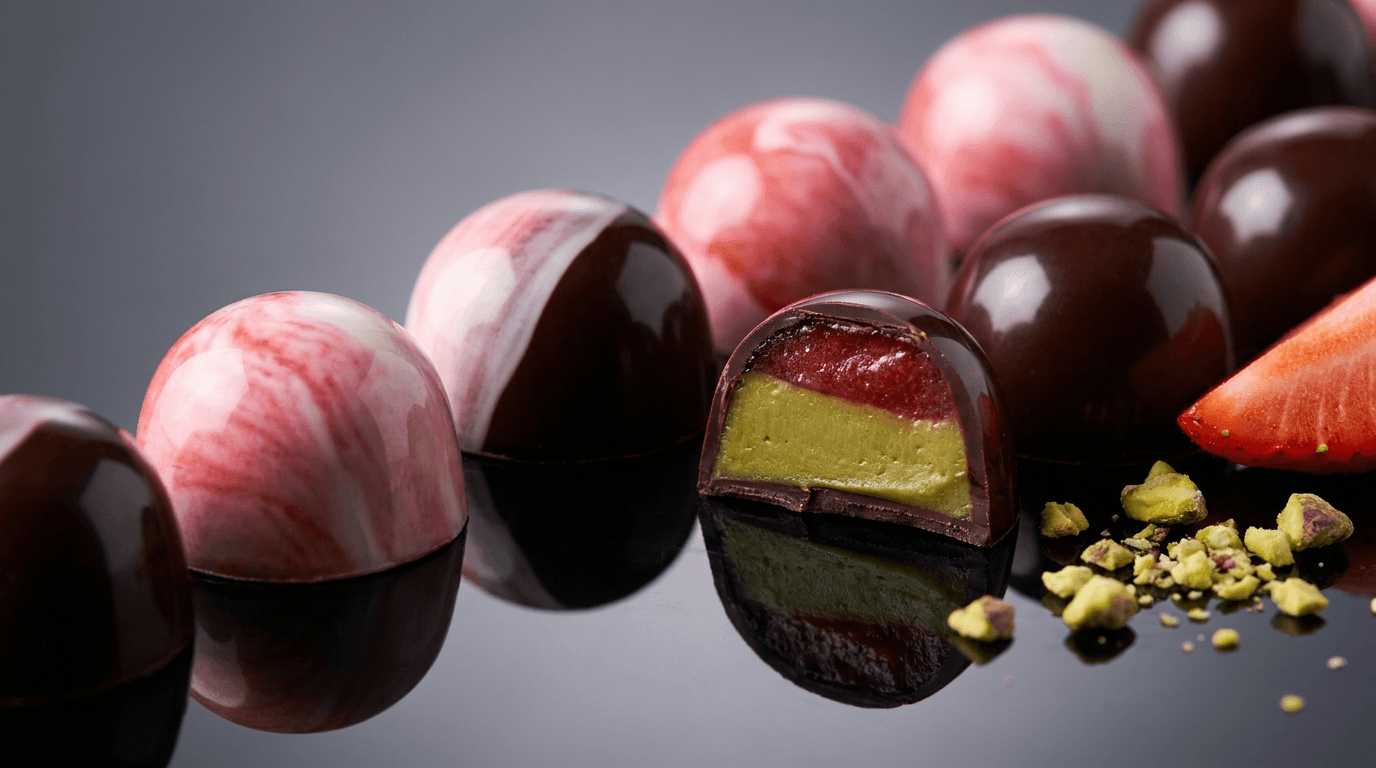
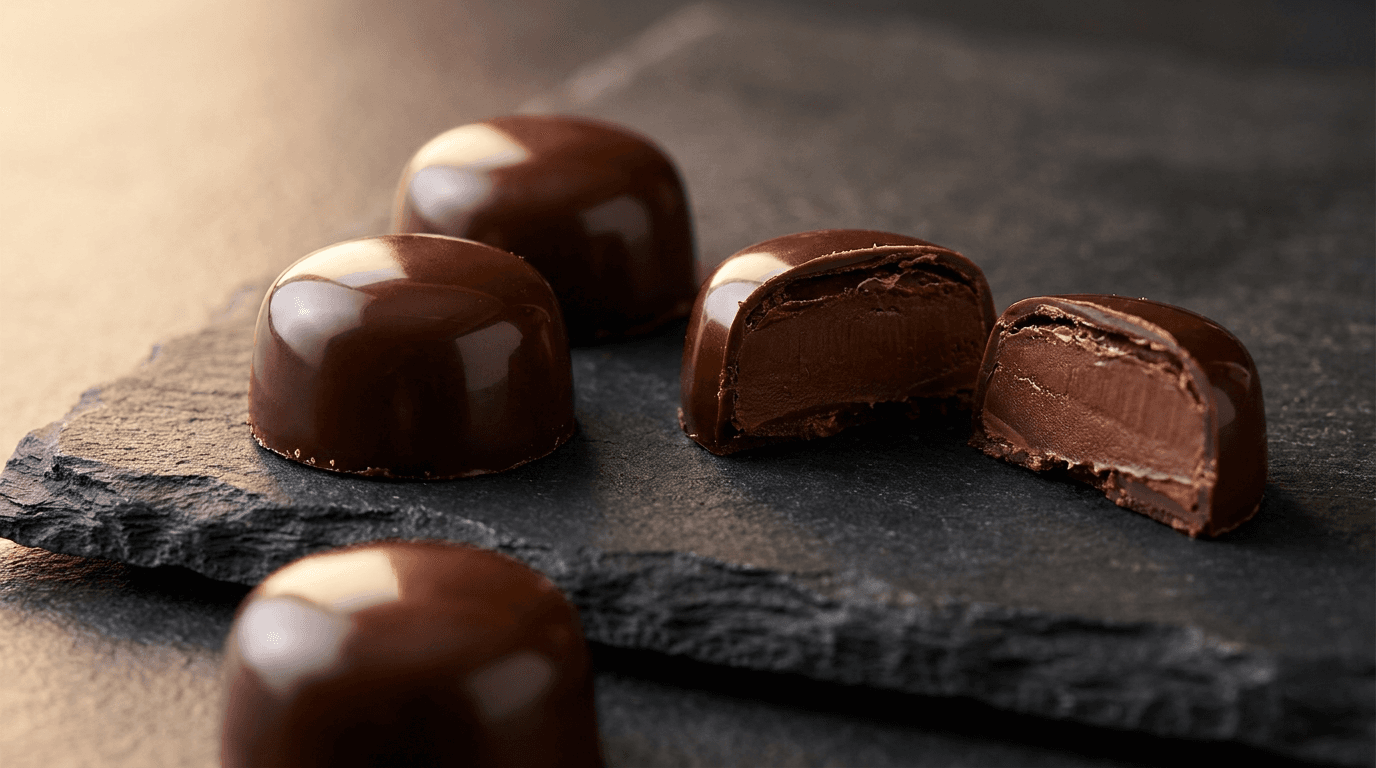
Tempering takes practice, but once you get a feel for it, the results speak for themselves. Glossy surface, clean snap, smooth finish. That is what couverture is supposed to deliver.